
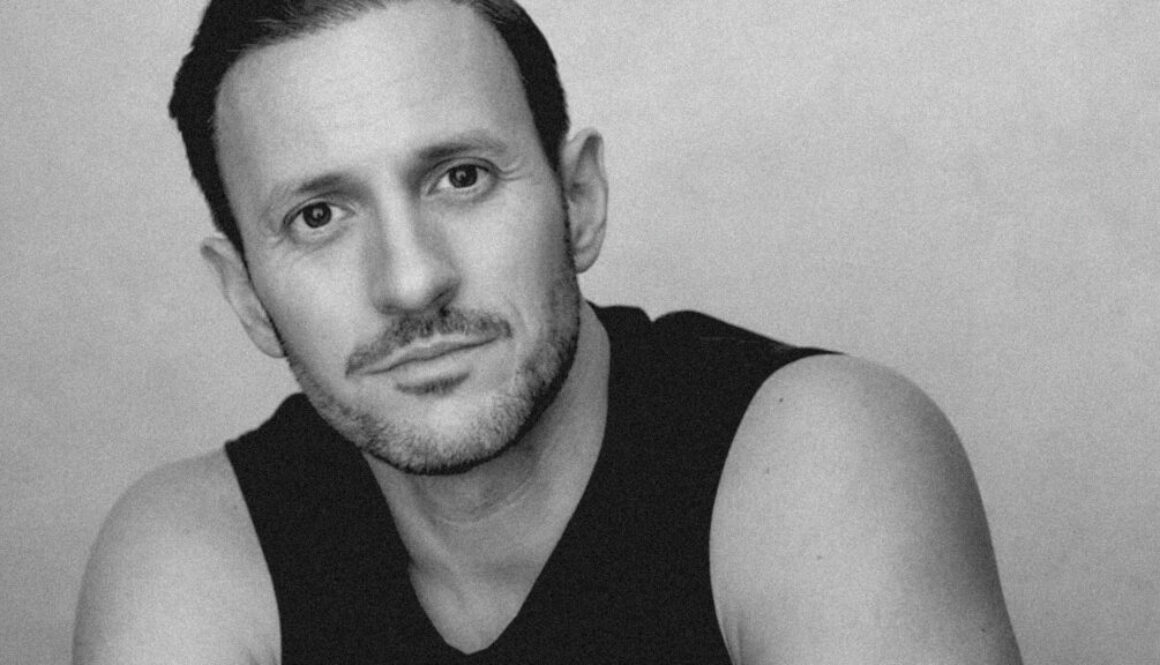
Sean Smith: Staying Human in a Changing Music Industry
Introduction:
After shooting to fame in 2007, one half of iconic 00s duo Same Difference, Sean Smith is back with a brand new EP, ‘Stay Human’. Ten years ago he signed with Energise Records as a solo artist, to continue his journey as a creative in the music space. Outside of this world, Sean also has a love for performance, showcasing this side of his artistry across numerous pantomimes and shows, including, ‘Evita’ and ‘We Will Rock You’. The journey since the end of Same Difference has been enlightening, a journey for Sean to find himself as his own artist. With this comes a creative freedom which Sean has expressed through numerous successful projects, including, ‘Turn Me On’, ‘SOLO’ and ‘In Love With The Night’.
Sean sat down with Ross Ferguson to speak about his serendipitous collaboration with Sam, who shares his passion for music. Exploring his creative processes, his busy career and personal life, and his motivations to give back to the industry he loves so much.
The Interview:
ROSS FERGUSON: So the EP “Stay Human” it is so versatile, so bright, and it’s so full of energy. I feel like it’s a really good place to start this interview, because I think it’s such a positive moment for you, and just such a positive moment in your whole discography and everything that you’ve been doing for the past couple of decades or so. It’s so vibrant, and you can really feel the positiveness radiating from it. And obviously it’s really personal to you, not just as an artist, but also as a person as well. And I’m very curious to know what the whole process was like, for you, putting this wonderful piece of art together.
SEAN SMITH: I was working away doing “We Will Rock You”, musical theatre show, and the lighting guy on there, he was quite a quiet guy really – and we were in Alaska at the time, and he was sat there on his laptop, and I just bought the same one so I said to him, “Hey bud I just got the same laptop as you”, and we just got chatting away. And he said, “What do you want your laptop for?” And I said, “Oh, well, I’m looking to create some music.” So I was thinking about maybe trying to get some, get some ideas down. He said, “Oh, that’s funny, because I’m a producer and I make music.”
So we kind of got chatting and, you know, when it’s one of those sort of throwaway chats. And you say, something like, “we want to do some work together, we’ll do that.” And you kind of never get around to it. I figured it might have been one of those chats, but literally, within a couple of days, he’d sent me a few ideas, and the whole thing just spiralled from there.
After we started chatting a lot more, we realised, actually, we’re from the same area down in Portsmouth, and I never even knew that. So it was just, it was really mad. The way that it would work is that he would send me ideas and then I’d write what they call the top line. Which is basically the actual words, lyrics, and tune of the song. And so he would send me these ideas. I’d write the top line, go back to him and say, “What do you think?” Maybe tweak a few things. And then we just kind of got into our studio, which obviously, being on tour, we just found a space that worked for us and made the whole thing there. And it was just incredible. The way that it worked out. We bounced ideas off one another. It was a completely different way to any way that I’ve ever worked before, because usually, you get sent demos, you decide on which songs you’d like to have a run out, and then you’d get put with certain producers. You’d maybe go in the studio, or maybe you do it remotely, record the top line, and then send it off to them, and they’d kind of come back with a final mix, and then maybe you might go back and tweak it again and ask for a few changes. But this way of working was so hands-on, and I loved the way that it finally came out, and I loved the whole process of making it, it was just so creative and so much fun. There’s a lot more of the real me on it because of that.
ROSS FERGUSON: It’s always crazy how music brings us together in the strangest of places, places that you would never expect. I think that’s really the magic of the industry, because you never know who you’re going to encounter next who’s going to have such a positive and creative impact on your work and on your art. And yeah, it’s really interesting that you said that this was made in a way that you’ve never you know made something before, and it feels so creative. And as I say, there’s so much energy to it. Do you feel like this is something that you’ll continue to be making music and be producing your art?
SEAN SMITH: Well, you really don’t know. You know last weekend I went out auditioning and got through to the finals, I’ve been asked to direct as well. I’m already looking at a job for the end of the year. You just never know where things are going to take you, and you never know who you’re going to bump into, who you’re going to vibe with, and when that creativity is going to come alive.
But in answering the question, I think yes, definitely. He’s away now in Dubai, so we certainly wouldn’t be able to be as close as we were. It just so happened we were on the same job. I think when he comes home, it’s definitely something that we can revisit. And he’s always sending me ideas, but I think the beauty of it was that we were both together, and we were vibing off one another, and that creativity was coming alive because of that. I think working with him remotely would feel a little bit alien, because part of it was that we were so close to the project. But to answer your question, yes, I would absolutely do some more stuff with him. I think it’s gone down really well. He’s a great up and comer.
I really hope as well, that he can get some other artists to work with, because he’s a producer that can kind of work with anybody. I really wanted to give him a good platform so that people can see his talents, and maybe it can take him to another level too.
ROSS FERGUSON: And you’re such a busy artist as well, you’ve just mentioned about the jobs and stuff like that, and auditioning and all this stuff. And then there’s the performance side as well, which obviously keeps you very busy too. You have such an amazing work ethic. And I’m curious to know how that balance factors into your personal life. I mean, how do you manage to stay so creative and so artistic, but also go through life because it can be so heavy, like having so much going on, it can really bundle up in all these different areas. How do you navigate that side?
SEAN SMITH: Pretty difficulty honestly. Got married a couple years ago. We’ve only really just started living together, and so that comes with its own responsibilities and problems, but we’re managing to get through it day by day. In answer to your question, because my wife is pretty solid, she’s got a normal day job, goes to work every day, and my career is kind of up and down all over the place. I’ve had a hell of a lot more ups and downs, and since I started my career, I’ve never had a year where I’ve not done anything within this industry. I’ve always been working. It’s kind of working things out that it works for me. It works for her.
A lot of these tours take you away for so long that it’s often I’m going, “ Okay, if I do this tour, maybe I’ll buy you this Chanel bag” (laughs). So there’s like a bit of a trade off, but I think in a heart of hearts, she would love me to stay at home, but at the same time, she can tell when I’ve got that hankering feeling to get back out on the road or get back into the studio, and it can be, it can be difficult to navigate, for sure.
I always find that if I want to do something, I’ll manoeuvre things around in order to do it. You know that there are opportunities that come up that you just can’t turn down. So I’m always going to feel in my heart, I know I’ve got to go and do this and we’ll work it out one way or another.
ROSS FERGUSON: This is quite a strange question, but do you ever get nervous about the future? You have so many different opportunities in so many different areas within the industry. How do you know what is going to be best for you? How do you know that it’s going to have such a positive impact in your life and it’s going to be right for you at the right time?
SEAN SMITH: You never know. I go to my gut feeling a lot when opportunities come up, and I’ve got that feeling that it’s like, yeah, you need to jump into this. I will manoeuvre things around the world to make it work. I’ll be completely honest with you, because there was one part of your question there that sort of sprang to mind, and I thought, yeah, things are getting a little bit more difficult. As I first came out of the X Factor, things were just falling on my lap constantly, because obviously, you’re out there, you’re in the public eye, you’re interesting, and everyone wants a piece of you. That’s sort of dropped off but the opportunities havent… I’m turning up to a lot of things now, I’m up against lads that are your age, and I think it is a very young man’s game, and also there’s a lot more of a pool of talent.
For example, if everyone’s got to kind of look the same within the show often, I might look a little bit old, and it might be something that can go against me, perhaps. But I’ve been really lucky, and I’ve managed to keep on working and stay out there and stay fresh. And it does get harder. There’s no question about it, but at the same time, I’ve still got great, great stage craft, great creativity, and I just keep plugging away and keep trying and the right opportunities just continue to come along.
ROSS FERGUSON: I think the key word there Sean is, fresh. I think that is definitely the vibe that you bring. I don’t think you’ve ever done the same thing twice. And I think every opportunity that you’ve, put yourself into, I think has been positive, and I think that is where your gut feeling plays in. You mentioned, leaving the X Factor and then facing the world after that. It’s really interesting because obviously we’re in 2026 now it’s a different world and a different industry. I think one of the most defining things about the 2000s for artists like yourself was the public pressure and the magnifying glass that people were under back then. I mean, obviously, a lot of people my age were very young, they probably don’t remember. But, especially in publications and newspapers and stuff like that, a lot of it could be wholly negative. As you were then, how did you find navigating the industry back then? And do you think we’re in a better place?
SEAN SMITH: Really, really good question. Honestly, I think things would be way more difficult mentally now, actually, I really do. The tendency even back then was to go on… back then it was like, MySpace, Bebo, things like that, we had a hell of a lot of followers and all of those things, and then it all changed. And I thought, we’ve been on a big TV show, what is social media going to do? Now social media is probably leading the way. So you navigate in a completely different way.
I’m sure that if a show like that was as big as it was, and with social media, we would find a way to make it work. But I also think, if you’re constantly looking at negative stuff online about yourself, and to be honest with you, I mean, Simon Cowell even said that we were like a Marmite act, like a love it, hate it thing. If I see maybe 30 amazing comments from beautiful people sending a whole lot of love, and then one negative, like anybody, you’re going to look at the negative and maybe think, How can I better that? It’s something that’s just deeply personal, that is part of who you are, and you can’t change that because it’s who you are, then it’s just one of those things that is difficult to live with.
I think we were relatively sheltered in the sense that you wouldn’t get the constant bombardment of social media stuff. But, I always tell the story that, for me, when I was a kid, I used to go to Woolworths, look on the shelves, or the sort of top CDs that were out at the time, or maybe even going back further, tapes, and I’d kind of save up my pocket money and just buy one. And I always saw that as like, the benchmark for success. And I was very lucky that I caught the tail end of that, because I remember walking into HMV one Christmas, and we were up there in the top 10, and our CD was there, and I just felt like, wow, made it. So that was what the benchmark of success was for me, and I achieved that. But then, literally, within a year, it all changed. And so you either, you either change and go with it, or you kind of die. I think it’s probably a lot harder, especially for independent artists now, because it’s just so saturated, and the way to get out there is to really push your socials and everything. And there’s just so many people trying to do it, so it’s maybe a little more difficult. And back then, you know, it was all about getting with a major label and achieving success through that way. And it worked out for us exactly as we wanted, and I wouldn’t change it for the world, but it’s definitely harder now.
ROSS FERGUSON: That’s so interesting, that viewpoint, it’s something I’ve never heard before. It’s really interesting to talk to someone who was there and experienced it, and rather than looking at the online discourse that we see now about how the 2000s were portrayed for artists. I think it’s also interesting that it’s a lot harder to determine the success of somebody because that benchmark doesn’t really exist anymore. We don’t really have those mainstream stores anymore, and a lot of it, as you say, is dictated by social media and metrics in that way. And I always tell artists to ignore it, because I feel like it’s not a real concept of reality. It’s really positive to hear that you did have a good time back then, and it was a positive experience for you, because you do hear like these horror stories coming out, especially nowadays, about the 2000s and about how the industry was. And that you were quite sheltered from a lot of the nastiness of it, and it’s so good to see you in such a positive position now.
With social media now, to be able to connect to those people that are real and connect to those people who are still supporting you in what you do, that must be really a magical thing for you, to have that connection with your audience day to day. Have them be accessible.
SEAN SMITH: Well they’ve kind of grown with me, which I think is beautiful. And I find that with my social media now, it’s a safe space. People who will naturally find you, who are on the same sort of… I’m gonna get a bit woo woo now. But, you know, the energy, if they’re on your sort of level of energy, they’ll naturally find you, and then they’ll follow you, and then support you, and I find it to be a really good place.
I mean, obviously you’ll always have negativity, it’s just the way of the world. Unfortunately, I think we live in this world now where it’s like, the shock factor is what sort of hits you and you feel like, “oh, the world’s going downhill”, because I’m seeing all this bad stuff all the time, shocking stuff. And the truth is it’s bombarded at us. That’s what most people are looking at, and it hits the algorithm. I do feel really lucky that I’m in a positive place. People can find my music, and if they love it, great and if they just give it one spin, it’s not for them. That’s absolutely fine, too. But I just love being in that area and having my music out there, my true self out there, and hopefully people find it and we love it.
ROSS FERGUSON: What’s keeping you motivated today? Sean, what is the motivation that’s pushing you through and keeping you going? And today, you mentioned you had a clear set goal in the 2000s… something that was special to you. And what is the goal now? What is the motivation that’s keeping you going?
SEAN SMITH: It’s always about more of the same for me, because I am in that space where I’ve already kind of achieved a lot of my dreams. And I hear this in sports, where they say it’s like a drug. You can’t let it go. And I feel similar. It’s a kind of a sad place, in a way, because I think, “Will I ever play Wembley again?”, for example, and “have all those incredible experiences?” It’s probably highly likely not now at my age, but you are always still chasing that same feeling of being on stage and bringing pleasure to people. And I still definitely feel like I do that, but I think, just just more of that, just making sure that as I’m getting older, I’m still getting these jobs, staying relevant, entertaining people to the highest level, and that brings me a hell of a lot of joy.
Another thing that I might want to step into as well is, giving back a little now. I’ve had all these experiences. My sister, for example, owns a dance school, and you see so much talent coming through. And I love passing on everything that I know. Also, if there’s somebody that I know in the industry that would hook up with someone really well, that I think would be great for them, then that’s something that I can help them with, too, that’s definitely where I’d want to go.
As far as motivation, I think that you’ve just got to just go “right, there’s a whole world out there and you have to go and make the most of it”, you can rest on your laurels and kind of get forgotten and not really do anything, or you can go make these opportunities, or look for these opportunities, and make the most of it. I have a continuous goal I’ve always had that’s kept me in good stead working. That’s just this constant push and to never, ever stay still and always keep growing. I’ll always do that. It’s tough when there’s something emotional happening, that might knock you off your perch a little bit, but you just just have to keep going, keep plugging away. And I’ve always found that the opportunities do keep coming when you’re in that kind of headspace.
ROSS FERGUSON: You’re the first artist and, I’ve done hundreds of these, you’re the first artist that has said that you want to give something back and put something forward. I’ve never heard anybody say that before. I could not stop smiling then, because it really is such a wonderful thing to hear from you really, really amazing stuff. Have any advice for people starting out, maybe in a similar position, as to you were with the same goals, same aspirations. What advice would you give to people starting out in today’s industry?
SEAN SMITH: Focus on what your actual goal is and relentlessly pursue it. A lot of the kids that… I’ll do a bit of teaching from my sister at times. And as I say, I’m moving into bit into directing as well. And one of the things that I find a lot is there’s so many different things they’ve got to be into. Sometimes their parents are pushing them into something that maybe isn’t what their true self is, their true goals. You have to know as early as you can that you want it and then pursue it with everything you’ve got. And that’s certainly what I do.
I remember when I was at school, there was a careers counsellor who came around. I’m sure a lot of people have this same story. With my grades that I was getting at school, they were saying “right, you could go into this, you could go into that.” And I said, “I want to be a performer and pop star. I’ve been doing this since I was young, and I’m so one minded on that”, and I laughed out of the room. Next minute, Saturday night, 21 million viewers I think there was for the final. If you have these big goals and big dreams, and you just keep on pursuing them, one day the door will open, and you keep knocking, and it will be open. That’s certainly what happened to me.
So many kids now… I’m going to sound like such a dad when I say this. I’m not a dad yet, but like my sister’s kids, for example, constantly playing on things like Roblox or whatever it’s called, constantly wanting to do all these things that take your energy away from what your goals and dreams are. If you say to yourself, that is something I really want, you have to be sure, with everything you’ve got, because all these other distractions will take you away from what the ultimate goal is. Don’t get me wrong, definitely take some time to kind of reflect and chill and do those things if that’s what you love, but don’t let it overtake your life to the point where you’re not pursuing your dreams. That’s what I would suggest.
ROSS FERGUSON: Is there a defining moment for you, looking back on your whole career and everything that’s happened. Is there a defining moment to you that stands out, where you immediately think that is my proudest moment of all, of everything that I’ve done? Is there something that sticks out to you?
SEAN SMITH: I can give you a couple of ones that were really big for me. The biggest one that I always remember is when we turned up to the O2 Arena for the X Factor Tour, and only two weeks previous, I went to watch the Spice Girls there. They did a tour, and it was incredible. I was sat right at the very back, and it was an incredible atmosphere. The show was great. And I was thinking, wow, in a few weeks time, we’re going to be playing this exact show. I remember the whole time I’d been thinking, O2 is the one. I’m really excited about the O2. And when we turned up to the O2 Arena, because it was in England and it was down the south of England, in London, there were a hell of a lot of Same Difference fans and I remember stepping out, the screaming was deafening.
Still to this day, I can just picture it, the vastness of it. It was a sell out crowd. And as soon as we came out, you know when you get like tingles down the back of your neck. Sometimes you just feel when you’re up on stage, like you’ve got me in the palm of your hand, and that’s how I felt that day. I’ll never forget that feeling of a full O2 Arena, and we just gave the performance of our lives, and it was beautiful. And I still think of that as, like, the defining moment when I felt like, yeah, we’re really doing this.
But even before that, there was a competition that used to be called the Cannons Cup, and it was in Essex, and I probably went for it about three or four times. First time I did it, I didn’t get read through the first round. The second time I did it, I got through to the semis. The third time I got through to the final and didn’t win. And finally, I won it when it was a couple of years away from it being my last chance, and I’d set that as my goal, and ended up winning it this one year. The year I won it was probably the toughest people I was up against, too, but I just thought, you’ve done this a million times. You really wanted this. I finally won it, and it was actually quite beautiful, really, because my granddad… unfortunately passed away just last week, and it was a heartbreaking time, but that’s been on my mind, because he was backstage with me, and he was giving me some advice. You’ve done this so many times. You got to this final, you’re on the precipice of winning it, go out there and give it everything. Just before I stepped out on stage I was speaking to him, and now it’s a much more poignant moment, just because of everything that’s happened just recently, and it’s been in the forefront of my mind. What an amazing time that was, and how that set me up to believe in myself even when I was that young.
ROSS FERGUSON: It’s amazing that he’s got to see you achieve so much and be in the position that you’re in right now. What people take away from this interview, reading it, I think they’ll be inspired. I think you’re a very inspirational artist and figure and person. I think your mentality is really infectious and incredible. I think your work ethic is unlike any artist that I’ve encountered in a while. You were entirely positive, and you have so much to be proud of. And I think he got to see so many amazing moments for you, and you do so many amazing things even personally, like getting married, starting a family, getting to live life and to be an artist. I think it’s fantastic. So I definitely think you should keep those things in mind going forward and remembering him, because you’ve done him so proud, and now you’ve got to keep doing him so proud.
SEAN SMITH: That’s the thing now, taking all those memories and using it to inspire me, and let’s say, at certain points when things get tough, I like to think I’ve got an eye from upstairs.
ROSS FERGUSON: Sean, is there anything next up,, any future stuff that you want to throw in before we go, what are you up to next?
SEAN SMITH: I guess to all your listeners, go out there and listen to the EP. I think you’ll really enjoy it, and especially like there’s a couple in there that might make you feel nostalgic if you followed my journey on The X Factor.